
Search
Log in

Type of project: BSc/MSc Internship.
Duration: preferably 6 months, starting from January/February 2026.
Location: Wetsus, European centre of excellence for sustainable water technology, Leeuwarden.
The maximum Wetsus allowance for this internship is 425 € per month. Grant holding students (i.e. Erasmus or other) receiving financial support of less than 425 € per month can apply for a top-up supplement to the maximum allowance.
Background:
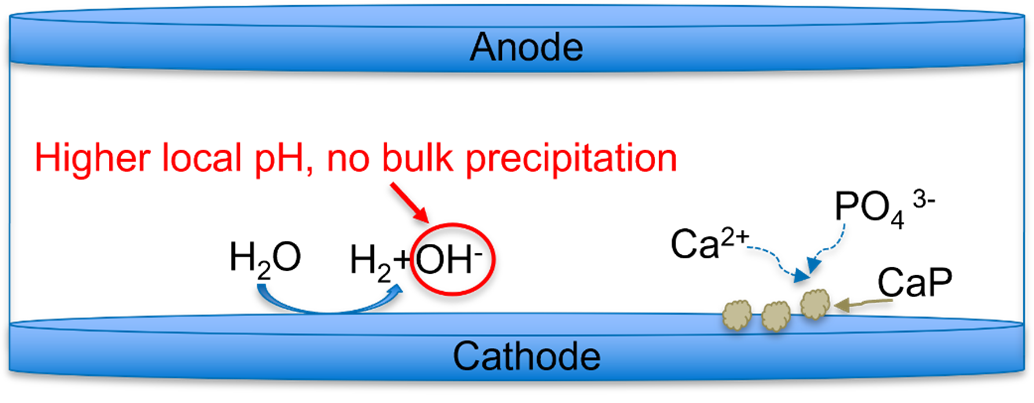
In many industries they use a pH adjustment to remove ions from their wastewater. This is done either to prevent them from ending up in the environment or to prevent scaling in the equipment. By adding an acid or base to the system the ions precipitates as a mineral. This however requires a pH adjustment of the whole solution thus requiring a lot of chemicals. Previously an electrochemical system was developed at Wetsus to remove/recover calcium phosphate from cheese wastewater. By creating a local higher pH at the cathode by a hydrogen evolution reaction, calcium phosphate at the cathode could be precipitated. The advantage of this is that only locally the pH is adjusted instead of the whole solution requiring less chemicals, furthermore it is produced on site. A lot of work has been done on developing different reactor designs, finding the right operating condition and understanding the solution chemistry. The next step would be to investigate liquids/solutions beyond cheese wastewater. For example, the removal of calcium carbonates from cooling water. The solution chemistry of these streams are most likely very different from cheese water. Therefore, more work is needed to understand how these liquids can be treated.
Project description:
You will look into which streams are most suitable for our electrochemical system. You will perform a literature search on the precipitation of minerals at elevated pH. When a suitable stream is found, you will test this stream and operate the electrochemical cell, understand the characteristics of the deposit obtained, analyse the wastewater, and measure the ion concentrations during the operating time. Furthermore, you will determine the removal efficiency and energy consumption of the rector using different operating conditions. Finally, you will compare this technology to existing technologies like ion exchange and pellet softening.
Requirements:
– Some knowledge of electrochemistry.
– Bachelor or Master’s student with a background in chemical engineering, chemistry, or environmental engineering/science.
– Fluent in English and good English writing skills
– EU citizen or non-EU citizen already enrolled in a Dutch university and living in the Netherlands
– Being motivated
Benefits:
– Work in an international and lively environment
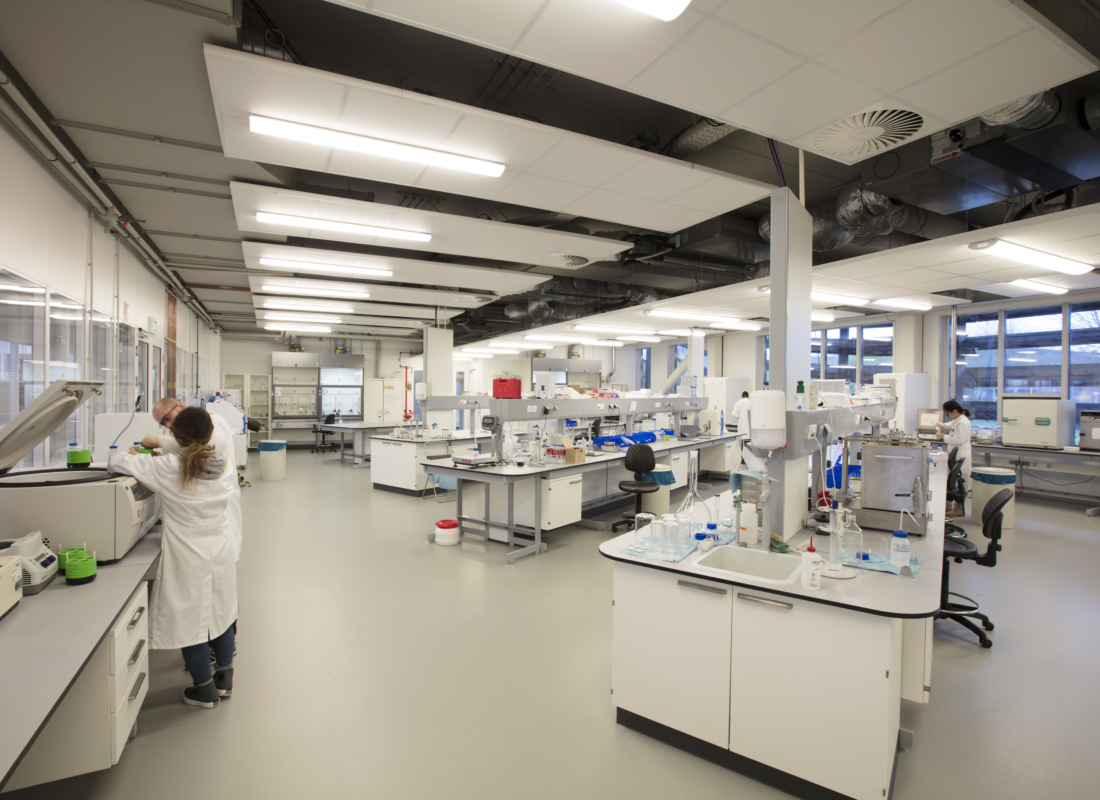
– Work in an advanced laboratory with many facilities
– Internship allowance of 425€ per month
Application:
Please upload your CV (max. 2 pages), a motivation letter (max. 1 page), and a list of the attended courses and the equivalent ECTS via the application form provided (in English). Do not hesitate to contact Ruben Halfwerk (ruben.halfwerk@wetsus.nl) if you have further questions or need more information.